Crocodiles in the Northern Territory

Northern Territory crocodiles aren’t just a thrill — they’re part of the cultural fabric, environmental balance and the stories that shape this rugged part of Australia. With a wild crocodile population stretching from the coastal waters of Arnhem Land to the freshwater creeks of Nitmiluk National Park, the NT is home to some of the biggest crocodiles on Earth. When you get to the Top End, you’re in croc country — and I mean proper, wild, ancient croc country. Forget the zoo-style encounters; up here you’re sharing space with apex predators that haven’t changed much since the dinosaur days.

When I first camped near Cahills Crossing I woke to fresh tracks right by the riverbank. Let’s just say I boil the billy a little further from the water now.

Table of Contents

The Ancient History of Crocs

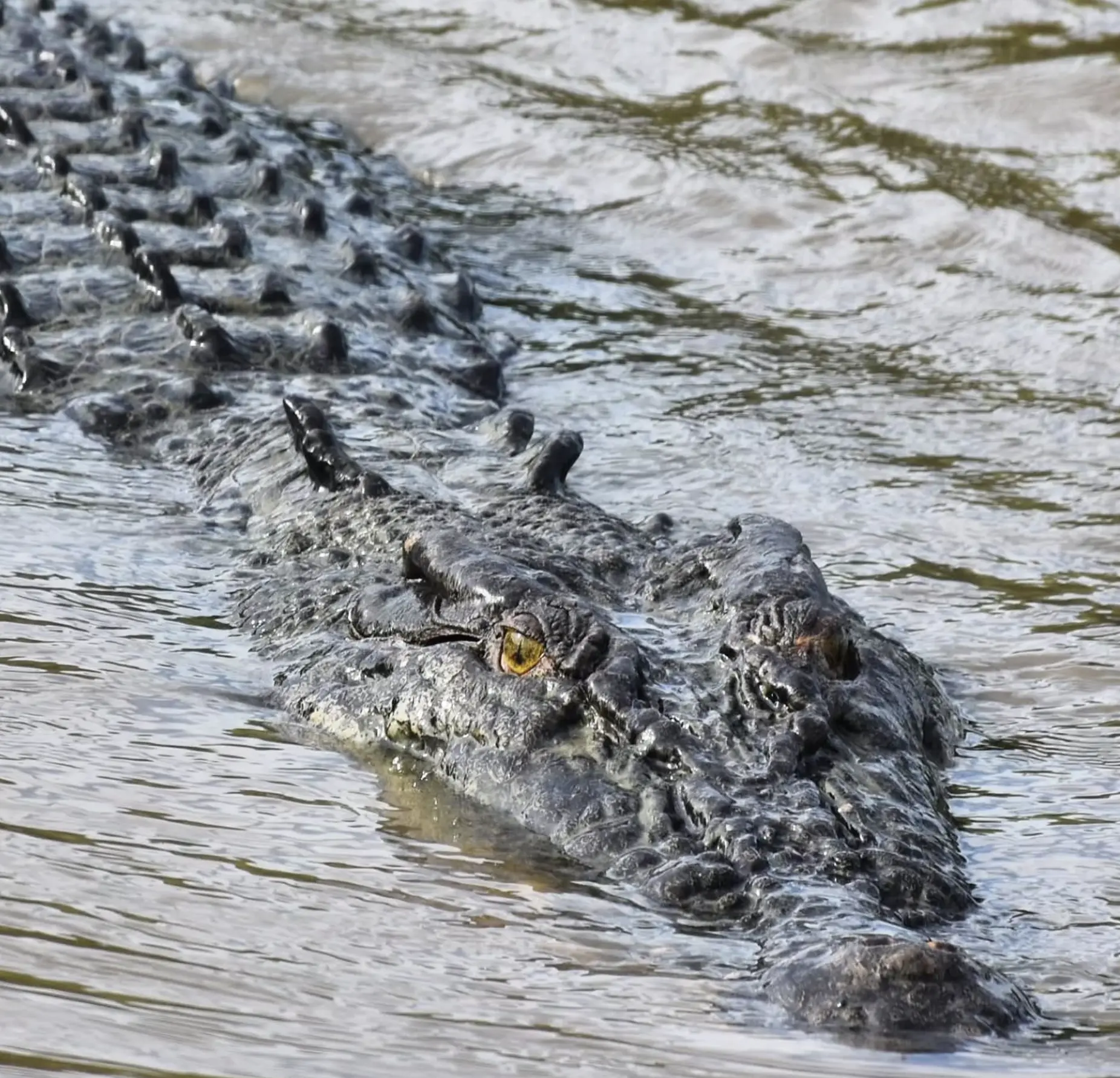
Before croc cruises and swimming signs, crocodiles ruled every body of water in the north. Fossils show these cold-blooded crocs have been in the NT for millions of years, particularly the saltwater crocodile (Crocodylus porosus), the largest species of croc. Unregulated hunting in the early 20th century nearly wiped them out. By the 1970s croc numbers were so low they were protected by law. Since then the saltwater crocodile population has bounced back in a big way. Today there are hundreds of crocodiles in many waterways and they’re known for their size, powerful tails and ambush hunter behaviour.
The best place in the world to do this
Crocodiles in Aboriginal culture

Aboriginal Culture

For Aboriginal people in the NT, crocodiles aren’t just wildlife — they’re ancestors, totems and powerful spirits in the Dreaming. From art-inspired crocs painted on cave walls to crocodile eggs collected traditionally as bush tucker, crocs are part of Aboriginal culture. In Kakadu National Park and Arnhem Land, croc motifs are etched into ancient rock art. Elders might warn you of crocodile breeding habitats or places where the croc spirit lives. Today, Aboriginal rangers and community engagement officers are part of crocodile management programs that combine Indigenous knowledge with science to protect both people and crocs.

Salties, Freshies and Where They Lurk

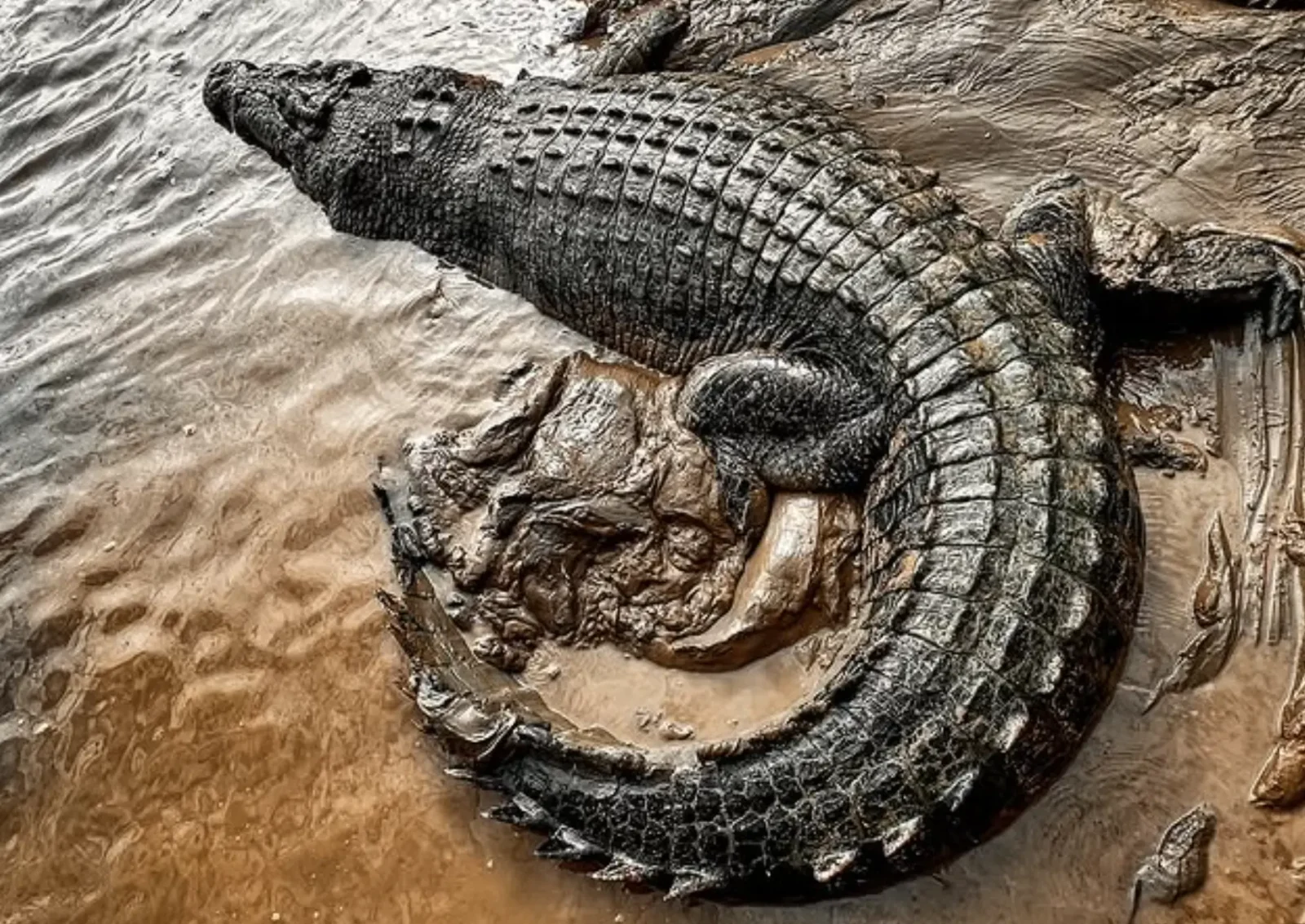
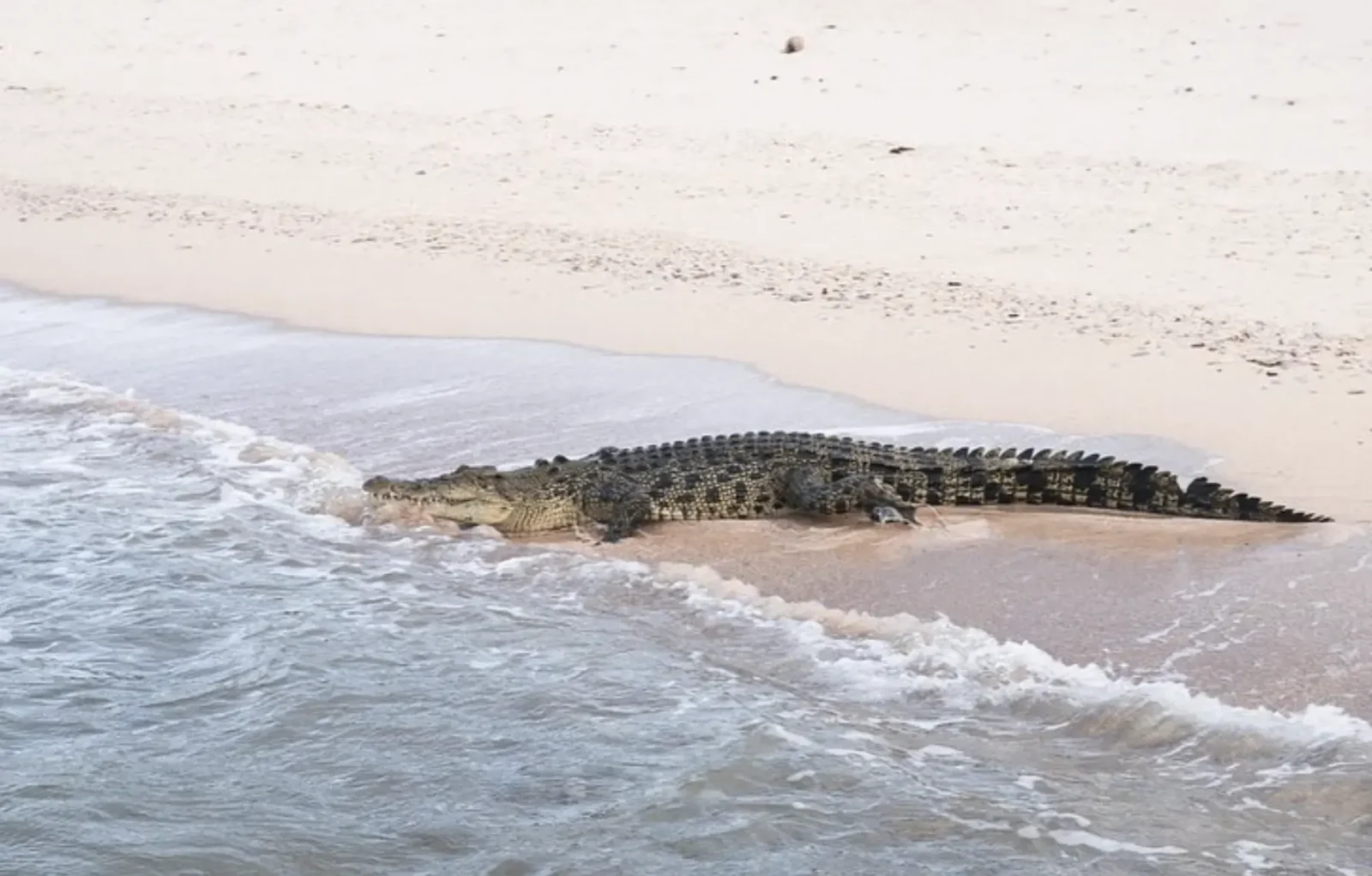
There are two types of crocodiles in the Northern Territory. The smaller of the two, the freshwater crocodile, is usually less aggressive, rarely over 3m long and feeds mainly on fish and birds. It doesn’t usually attack humans but can bite if provoked. The most common and dangerous species is the saltwater crocodile. These “salties” live in the coastal wetlands and canals of the country. They eat fish but will eat almost everything, including cows, buffaloes, wild boars, turtles, birds and crabs. The biggest can grow up to 6m (20ft) long and weigh up to 1 tonne. Although you don’t have to get close enough to see them, freshwater crocs have smaller, thinner heads and jaws with teeth of almost the same size. Their marine relatives have big heads, uneven jaws and big teeth.
READ  Crocodile Cove
crocodile breeding season in nt
crocodiles in northern territory

Where Can I See Crocodiles?

The Northern Territory has some of the best and most accessible places to see crocodiles in their natural habitat, often from safe vantage points or on guided tours. Here are the top places to see crocodiles:

Darwin

Darwin, the capital city of the NT, sits on the edge of a massive estuarine system — a saltwater crocodile haven. You won’t see crocs wandering the city streets but the Darwin Harbour and surrounding waterways are full of them. Crocosaurus Cove, in the heart of Darwin, is an up-close, controlled environment to view crocodiles, including giant “monster” salties. They offer cage diving and educational displays. Just outside the city, places like the Adelaide River are famous for “jumping crocodile” cruises where you can watch crocs leap from the water to grab food — a thrilling sight that shows their power and agility.

Kakadu National Park

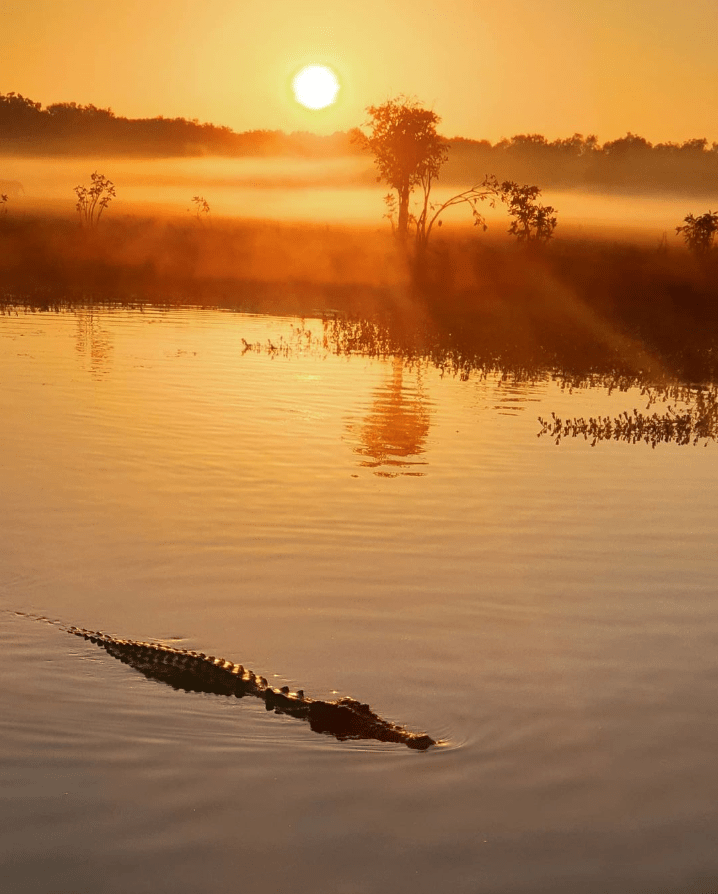
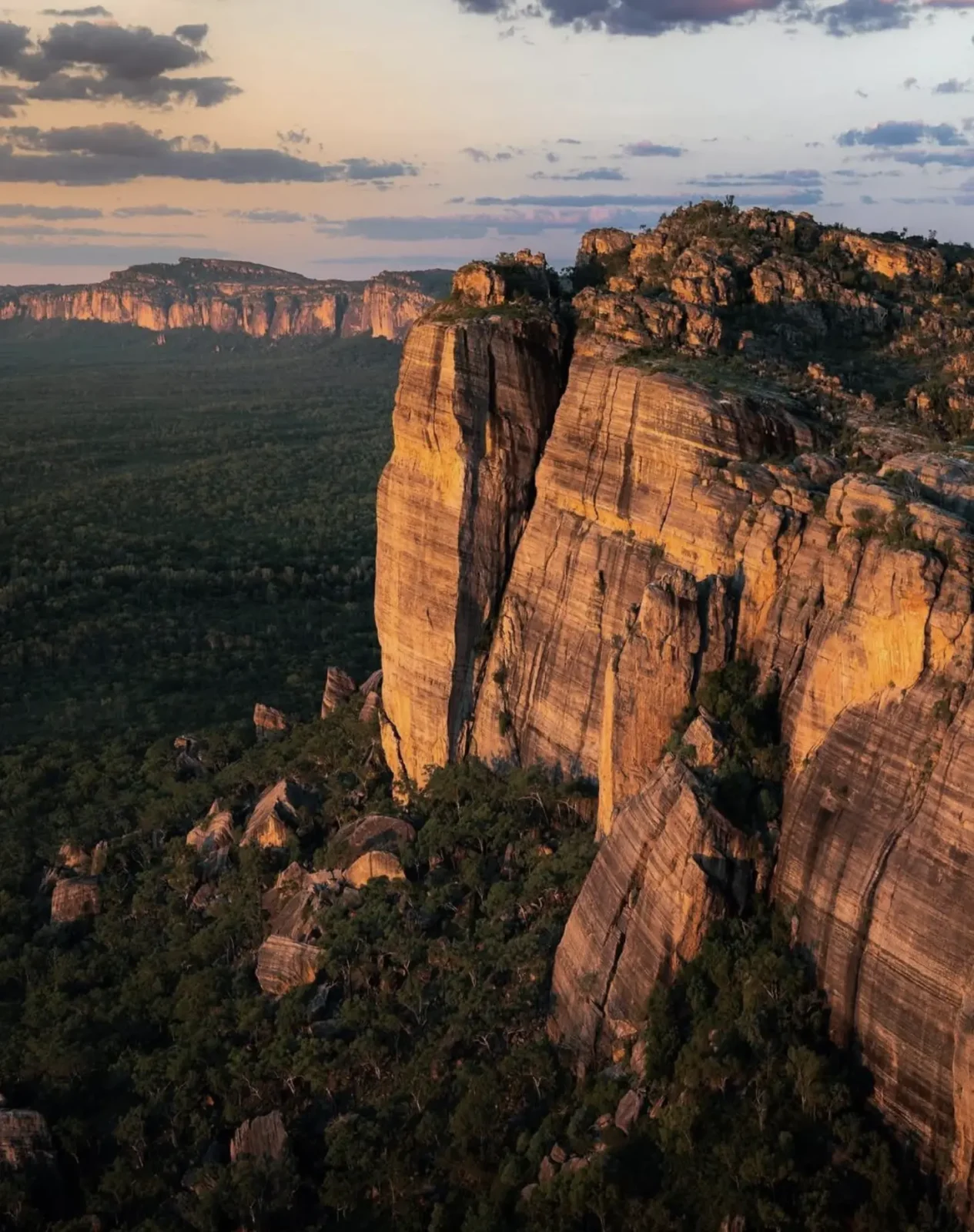
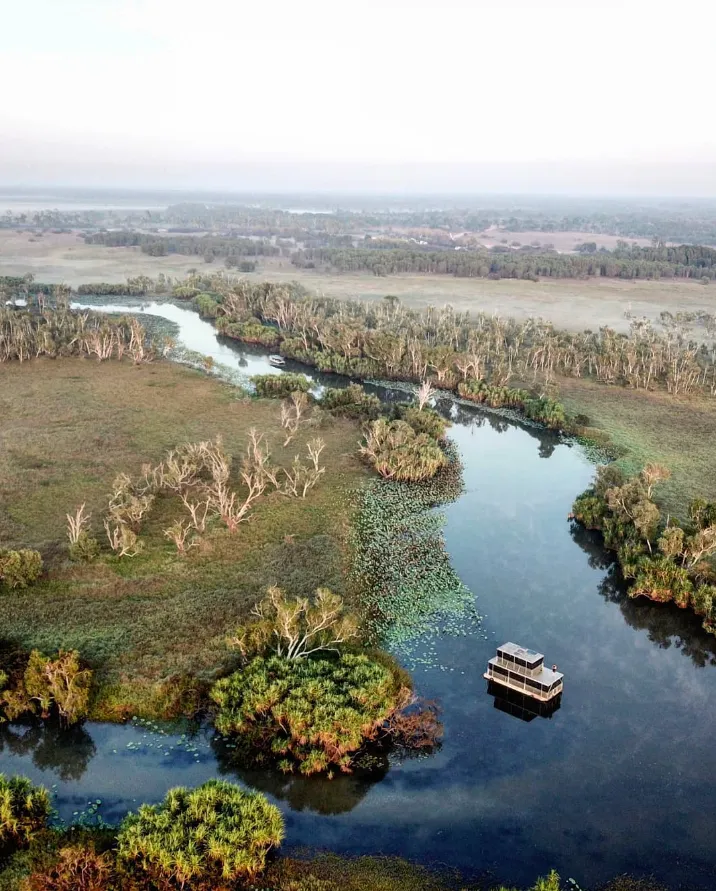
Kakadu is the most famous national park in the Northern Territory and a UNESCO World Heritage site. It covers over 20,000 square kilometres of wetlands, rivers, escarpments and floodplains. Saltwater crocodiles are everywhere in Kakadu’s rivers and billabongs, especially in areas like the East Alligator River, Yellow Water Billabong and the South Alligator River. Guided cruises and walks with experienced rangers are the best way to see crocs safely. Freshwater crocodiles are also in the inland freshwater systems but are less seen by tourists.

Nitmiluk National Park

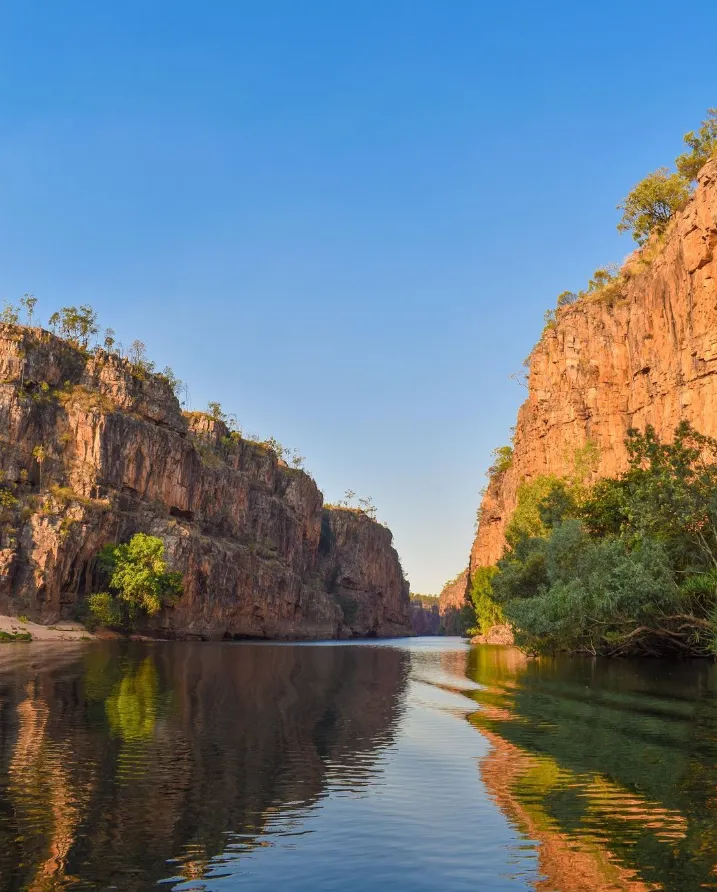
Home to the stunning Katherine Gorge, Nitmiluk National Park has dramatic landscapes and rich Aboriginal culture. Saltwater crocodiles are in the river systems, especially in the wet season when the water rises. You can take boat cruises or kayak tours but safety precautions are essential as saltwater crocodiles are present. Some areas are closed to swimming to protect people and crocs.
READ  Choosing Your Croc Cruise: What’s Really Different Between Operators
northern territory crocodiles

Seasonal Movements: Wet vs Dry

The wet season is croc moving time. Water floods the floodplains and crocs go walkabout — sometimes kilometres on land to get to new areas. Access to many croc habitats is limited during the wet season as roads and tracks become impassable. Some tours and national parks may close or reduce services. Fresh water, salt water — it’s all the same to a salty on the move. That roadside puddle or flooded ditch? It could be croc country. In the dry, crocs settle into their favourite haunts. Public education ramps up in tourist areas and croc experts work to keep people safe through active crocodile management. Many croc tours and cruises operate in the dry season as access is better and conditions are safer. The cooler, less humid weather is also more pleasant for outdoor activities.
Where can I see crocodiles in Darwin

Crocodile Tourism: See Them Safely

Safe Croc-Watching Tips:

Although the most dangerous are the marine crocodiles, visitors should be aware that they can be found more than 200 km from the coast in freshwater. Crocodiles can also move up to a kilometre on land, stay hidden for long periods inland, stay underwater without moving while hunting and run incredibly fast. The presence of something cannot always be confirmed solely based on visibility. Follow the signs and stay safe. Don’t try to feed wild crocodiles while in the country; don’t swim in a stream, camp, fish or walk in areas where crocodile danger signs are posted.

Best Ethical Croc Tours:

  • Adelaide River Jumping Croc Tours – Features famous crocodiles like Dominator and provides insight into croc behaviour
  • Yellow Water Cruises – Led by Aboriginal guides in Kakadu National Park. Great for cultural and ecological knowledge
  • Crocodylus Park – Good for families and public education. Promotes animal welfare standards

Look for operators involved in crocodile conservation and land management. Australia’s only Aboriginal-owned crocodile farm is a standout for ethical crocodile farming.

Respect the Ancient Locals

Safe Croc-Watching Tips:

The NT’s crocs are amazing, not to be feared. From thorny devils and wild boars to cold-blooded crocodiles with legendary scale patterns, this is a wild place — but one with order, tradition and deep knowledge.
Crocodile management plans, crocodile hazard signs and public education all help reduce human conflict. But at the end of the day this is their home — we’re the visitors.
So keep your camera ready, your boots dry and your wits about you. Don’t be the next croc attack story shared by a croc attack specialist over billy tea at the servo.
READ  The Lost City Litchfield: 4WD Sandstone Maze
where do crocodiles live in nt

FAQ

Yes — and more. The saltwater crocodile population is widespread and they can turn up anywhere from Mary River to Berry Springs Nature Park.
Yes — but only where signed. Places like Wangi Falls and Mataranka are monitored. Don’t have an adrenalin fuelled swimming experience in unsignposted spots.

Saltwater crocs are bigger and more dangerous crocodiles found in both salt and fresh water. Freshwater crocs are smaller and rarely aggressive.

Dawn and dusk especially during the wet season and breeding season. They’re ambush predators and strike quickly.
Yes — from boats or raised banks. Don’t clean fish near the water. Crocs eat fish scraps and associate people with food.

Popular Articles

Reptiles Of Litchfield

Reptiles Of Litchfield Reptiles of Litchfield are one of the park’s quiet highlights, with crocodiles, goannas, skinks, and pythons living across its creeks, waterfalls, and

Magnetic Termite Mounds Guide

Magnetic Termite Mounds Guide Magnetic Termite Mounds are a true standout in this yarn because these seriously imposing high-rises that look like gravestones are without

Tolmer Falls Guide
Tolmer Falls Guide

Tolmer Falls Guide Tolmer Falls has long been one of my go-to recommendations for people exploring Litchfield National Park, looking for a bit of a

Buley Rockhole Guide

Buley Rockhole Guide Buley Rockhole and its waters work their magic on even the most travel-hardened souls, and that’s exactly what caught my eye the

Scroll to Top